
Best Furnace & Heating Repair Companies in Fredericksburg
Which kind of heating shop to call when a Fredericksburg furnace or heat pump quits, ranked on cold-snap dispatch, safety checks, and honest repair pricing.
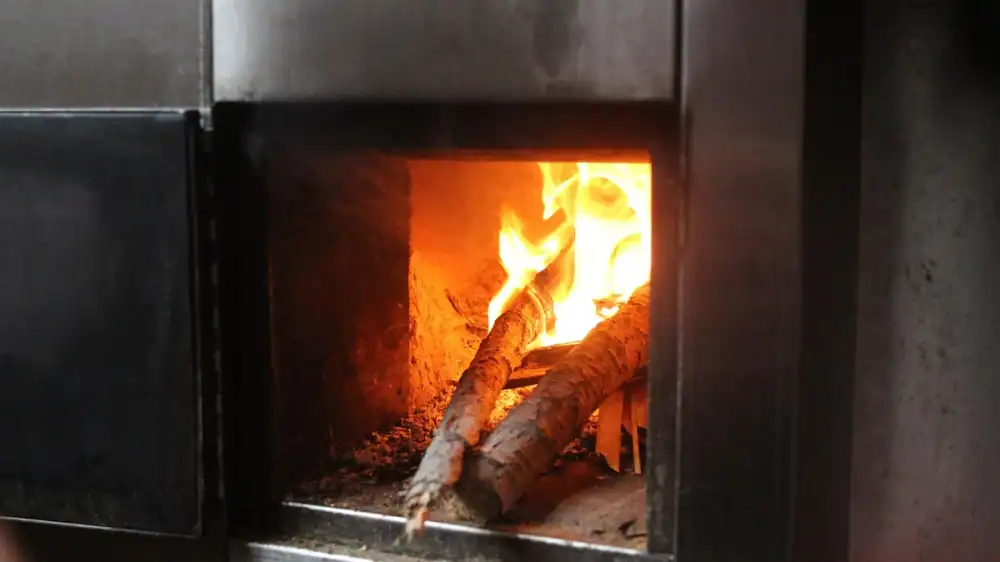
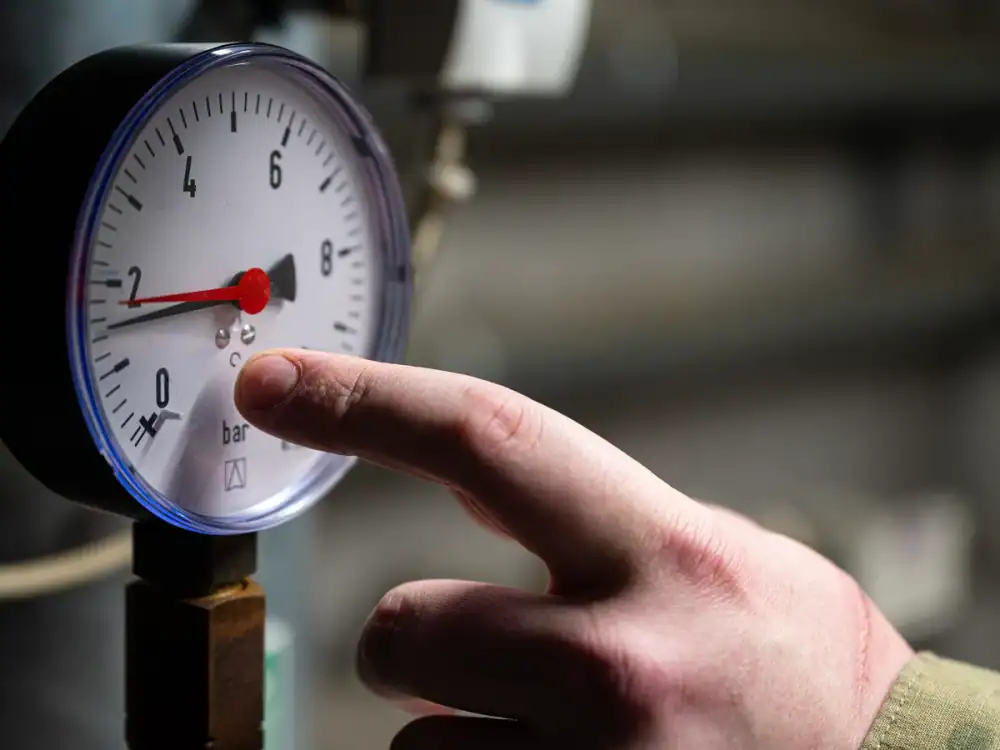
Do you have a furnace problem or a heat pump problem?
Answer that first, because the two send you to different shops.
A gas or oil furnace that will not light is a combustion and safety call. You want a shop that treats the flue, the heat exchanger and the gas train as part of the job rather than as an upsell, and that will condemn a cracked exchanger without hesitating. This is the one repair where a second opinion is genuinely worth the second fee.
A heat pump that runs but does not warm the house is usually not broken in the way people think. It is often a defrost control, a reversing valve, a refrigerant charge that drifted, or auxiliary heat that never engaged. Diagnosing that well takes a shop that installs heat pumps constantly. A furnace crew that touches one occasionally will chase the wrong thing for an hour, on your clock.
If you do not know which you have, look at whether the outdoor unit runs in winter. If it does, it is a heat pump, and the ranking below shifts in favor of the heat pump specialist.
What does each kind of heating shop get right?
The heating-focused shop earns first place through repetition. During the first serious cold snap of the year, a crew that works heating all winter will have seen your symptom dozens of times that same week. Ignitors, flame sensors, pressure switches and blocked condensate lines account for a large share of no-heat calls, and a shop in that rhythm carries the parts on the truck instead of ordering them Monday.
The full-service contractor takes second and is the better choice for anyone who wants continuity rather than speed. Knowing the house matters more in heating than in cooling, because heating faults are often the second symptom of something else: undersized returns, a flue shared with a water heater, a thermostat wired for a system that was replaced years ago. A company with a service history on your address starts from the right hypothesis.
The heat pump specialist ranks third overall and first for anyone whose outdoor unit runs in January. Heat pumps are a genuinely different machine, and the diagnostic skill does not transfer cleanly from gas furnaces. A shop that installs them every week reads a defrost cycle correctly the first time and will tell you whether the auxiliary strips are doing more work than they should. That single answer often explains an entire winter of high bills.
The emergency no-heat responder is fourth and, in a February cold snap, occasionally the only one available. Judge it on one thing: whether they will get the house safe and warm tonight and schedule the real repair for daylight. That is the honest version of this service. The dishonest version quotes a full replacement at midnight, to a homeowner in a cold house, which is a decision nobody should be asked to make at that hour.
Why is a cold snap harder to buy service in than a heat wave?
Because heating failures arrive all at once. Air conditioning degrades over weeks of running, so summer calls spread out. Heating equipment sits idle through autumn, gets asked to run hard on the first genuinely cold night, and everything marginal fails within about seventy-two hours of each other. Every shop in the county fills up on the same Tuesday.
There is a second difference that matters more. A hot house is uncomfortable. A cold house with no heat can freeze pipes, and in the older housing stock near the historic core, with plumbing run through unheated crawl spaces and additions, that is a real risk rather than a theoretical one. Local building requirements around venting, combustion air and replacement work are written down and public, and the city code that governs the work is where they live if you want to check what a permit should cover.
The regional picture explains the rest. This area keeps drawing new households, which is tracked openly by the local economic development office, and trained technicians do not arrive at the same rate. The institutions that anchor the area, the University of Mary Washington among them, are part of why the population keeps growing. The practical result for a homeowner is that November, not January, is when you can still choose who comes.
That timing is the single most useful thing on this page. A service call booked in November is a scheduled appointment. The same call in January is a queue position. Shops price accordingly, and so should you.
How do the four heating options rank?
- The heating-focused repair shop
- The full-service contractor with winter depth
- The heat pump specialist
- The emergency no-heat responder
The order assumes a gas or oil furnace that has stopped working. If your system is a heat pump, move the third entry to the top and read the rest accordingly.
Two safety points sit above all of this and are not negotiable. If you smell gas, leave the house and call the utility before you call any contractor. And if a technician says the heat exchanger is cracked, ask to see it, ask for the reading that supports the finding, and get a second opinion before authorizing a replacement, because that diagnosis is both serious and occasionally wrong.
Beyond safety, the ordinary rules apply. Get the diagnosis in plain words, the repair price separate from the trip charge, and the repair number written next to the replacement number. Then decide in daylight, with the house warm, rather than at eleven at night with everyone in coats.